It often starts with something easy to dismiss. A sudden flutter in the chest. A heartbeat that feels fast and irregular for a few minutes, then settles. Unusual tiredness that seems out of proportion to the day’s activities. Most people attribute these things to stress, lack of sleep, or simply getting older. They wait for it to pass. And often it does — at least for a while.
But what many people do not realize is that these sensations can be the first signs of atrial fibrillation — a heart rhythm disorder that is far more serious than it sounds. It is not just an inconvenient irregularity. Atrial fibrillation significantly increases the risk of stroke, heart failure, and other cardiovascular complications. And one of its most dangerous features is that a significant number of people who have it feel no symptoms at all — meaning the condition progresses silently until something serious happens.
According to global cardiovascular research and data from the World Health Organization and the American Heart Association, atrial fibrillation affects tens of millions of adults worldwide. It is the most common abnormal heart rhythm disorder seen in hospital practice. Its prevalence increases sharply with age — becoming significantly more common after 60 — but it is not limited to older adults.
As a medical researcher, I have reviewed data from WHO, AHA, the European Society of Cardiology, and peer-reviewed electrophysiology literature to put this guide together. My aim is to help you understand what atrial fibrillation actually is, why it is taken so seriously, what the symptoms look like, and what modern treatment can do for it — explained in plain, honest language.
What You Will Learn in This Article
What atrial fibrillation actually is — in simple terms
Why it happens — causes and triggers
Early and common symptoms — including silent AFib
Why it is dangerous — the stroke connection explained
How doctors diagnose it
Treatment options available — medicines, cardioversion, ablation
Lifestyle changes that genuinely help
When to seek emergency care immediately
What Is Atrial Fibrillation
To understand atrial fibrillation, it helps to understand how a normal heartbeat works first.
The heart has four chambers. The two upper chambers are called the atria, and the two lower chambers are called the ventricles. In a healthy heart, every beat begins with a precisely timed electrical signal from a natural pacemaker called the sinus node. This signal travels through the heart in an organized sequence — first triggering the atria to contract and push blood into the ventricles, then triggering the ventricles to contract and push blood out to the lungs and body. This coordinated sequence produces the steady, regular rhythm that a resting heart should have.
In atrial fibrillation, this organized electrical system breaks down in the upper chambers. Instead of one clean signal, hundreds of chaotic electrical impulses fire simultaneously and randomly from multiple points across the atria. The atria stop contracting in a coordinated way and instead quiver — rapidly and irregularly — unable to push blood into the ventricles properly.
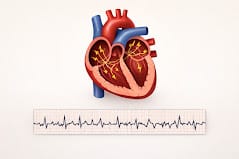
The result is a fast, completely irregular heart rhythm — sometimes as fast as 150 beats per minute or more — with no predictable pattern. This is what patients feel as a fluttering, racing, or irregular heartbeat. And this is what shows up on an ECG as the chaotic, irregularly irregular pattern that cardiologists recognize immediately as atrial fibrillation.
The clinical consequence of this chaotic atrial activity is that blood does not move through the upper chambers efficiently. It stagnates — particularly in a small pouch called the left atrial appendage. Stagnant blood forms clots. And if a clot breaks free and travels through the bloodstream to the brain, the result is a stroke.
Key point: Atrial fibrillation is not just an uncomfortable heart rhythm. It is a condition that creates the conditions for blood clot formation inside the heart — which is why it multiplies stroke risk so significantly, and why its treatment always involves protecting against that risk.
Causes of Atrial Fibrillation
Atrial fibrillation rarely develops in an otherwise completely healthy heart. In most cases, there are underlying conditions that have been stressing, straining, or structurally altering the heart over time — to the point where its electrical system becomes unstable. Understanding these causes is important because treating them is part of treating the AFib itself.
The most common underlying conditions associated with atrial fibrillation include:
High blood pressure — the single most common risk factor for AFib. Sustained hypertension causes the left atrium to enlarge and the atrial muscle to remodel over years, creating the electrical instability that triggers AFib
Coronary artery disease and heart failure — structural heart disease of any kind increases AFib risk by altering the architecture of the heart’s chambers and their electrical properties
Thyroid problems — an overactive thyroid gland directly accelerates and destabilizes heart rhythm. Thyroid function should always be checked in a new AFib diagnosis
Diabetes — damages the autonomic nervous system and blood vessels in ways that increase atrial vulnerability
Obesity — associated with atrial enlargement, inflammation, and a significantly increased AFib risk independent of other factors
Smoking — promotes inflammation and oxidative stress in cardiac tissue, both of which contribute to electrical instability
Heavy alcohol use — alcohol is directly toxic to cardiac muscle and can trigger AFib episodes acutely, a phenomenon sometimes called holiday heart syndrome
Increasing age — age-related changes in atrial tissue are a significant contributor, which is why AFib becomes increasingly common after 60
In some cases, AFib can also appear after heart surgery, following a severe infection or illness, or during periods of significant physiological stress. The common thread is anything that puts sustained pressure, inflammation, or structural strain on the heart — particularly on the atria.
Symptoms of Atrial Fibrillation
One of the most clinically important features of atrial fibrillation is how variable its symptoms are from person to person. Some patients experience clear, unmistakable symptoms that send them to the doctor quickly. Others feel nothing at all — and their AFib is discovered incidentally on an ECG done for a completely different reason.
Common symptoms when they are present include:
Palpitations — the most characteristic symptom. Patients often describe it as a fluttering in the chest, a racing sensation, or the feeling that the heart is beating chaotically or skipping beats
Irregular pulse — the pulse at the wrist feels completely irregular, with no discernible pattern — which is distinctly different from a fast but regular pulse
Shortness of breath — particularly during activity, because the irregular rhythm reduces the heart’s efficiency and less blood reaches the working muscles
Unusual fatigue — a persistent tiredness disproportionate to activity level, caused by the heart’s reduced pumping efficiency
Chest discomfort — a vague pressure or tightness, not necessarily severe
Dizziness or lightheadedness — caused by reduced blood flow to the brain during episodes of very fast or very irregular rhythm
Many patients describe it like this: “It felt like my heart was fluttering inside my chest — not painful, but very uncomfortable. And then it stopped as suddenly as it started.” This episodic pattern is very typical of paroxysmal atrial fibrillation.
In older patients, symptoms may be subtler — primarily weakness or breathlessness with minimal activity, without the classic fluttering sensation. This is one reason why AFib goes undetected in a significant proportion of elderly patients. According to ESC guidelines, approximately one-third of all AFib cases may be asymptomatic at the time of diagnosis — discovered only when a complication like stroke occurs, or incidentally on a routine ECG or smartwatch reading.
Important: The absence of symptoms does not mean the absence of risk. Silent atrial fibrillation carries the same stroke risk as symptomatic AFib. This is why awareness and regular checkups matter — particularly for people over 60 or those with risk factors like hypertension, diabetes, or obesity.
Is Atrial Fibrillation Dangerous?
Yes — and the primary reason is stroke. This connection deserves a clear explanation because it is the central reason why atrial fibrillation is treated as seriously as it is.
When the atria fibrillate instead of contracting properly, blood pools and stagnates inside them — particularly in the left atrial appendage, a small pouch in the wall of the left atrium. Stagnant blood is prone to clotting. When a clot forms in the left atrial appendage and then dislodges, it enters the bloodstream. From there, it can travel directly to the brain and block a cerebral artery — causing an ischemic stroke.
Multiple large studies have confirmed that atrial fibrillation increases stroke risk by approximately five times compared to people without AFib. Furthermore, strokes caused by AFib tend to be more severe than strokes from other causes — because the clots that form inside the heart are typically larger than those that form in brain arteries directly.
Beyond stroke, atrial fibrillation carries other significant risks:
Heart failure — a persistently fast or irregular rhythm reduces the heart’s pumping efficiency over time, eventually leading to a weakened heart muscle — a condition called tachycardia-induced cardiomyopathy
Low blood pressure and fainting — during episodes of very fast or very irregular AFib
Reduced quality of life — frequent AFib episodes significantly limit physical activity and cause anxiety and fatigue
The good news — and this is important — is that these risks are substantially reducible with proper treatment. Anticoagulant medicines reduce stroke risk in AFib patients dramatically. Rate and rhythm control treatments reduce symptoms and protect heart function. With appropriate management, most AFib patients live normal, active lives.
How Is Atrial Fibrillation Checked?
When atrial fibrillation is suspected — based on symptoms or an irregular pulse found on examination — doctors use a structured approach to confirm the diagnosis, identify the cause, and assess the stroke risk.
Clinical Examination
The first step is a physical examination. Checking the pulse at the wrist immediately reveals the hallmark of AFib — an irregularly irregular rhythm with no pattern. Blood pressure is measured. The doctor listens to the heart for abnormal sounds that might suggest valve disease as an underlying cause.
ECG — The Key Diagnostic Test
An electrocardiogram is the definitive test for diagnosing atrial fibrillation. On an ECG, AFib has a characteristic appearance — no organized P waves before each heartbeat, and a completely irregular spacing between beats. An experienced cardiologist can diagnose AFib from an ECG in seconds. If AFib is intermittent — coming and going — a 24-hour Holter monitor or a longer-term event recorder may be needed to capture an episode.
Additional Tests
Echocardiogram — assesses heart structure, valve function, chamber size, and pumping strength. Identifies underlying structural causes of AFib and checks for clots in the heart
Blood tests — full blood count, kidney function, liver function, and electrolytes. All relevant to treatment decisions
Thyroid function test — hyperthyroidism is a treatable and reversible cause of AFib that should never be missed
Early diagnosis is genuinely important in AFib — not just to relieve symptoms, but to start stroke prevention as soon as possible. The sooner anticoagulation is initiated in appropriate patients, the sooner their most serious risk is addressed.
Treatment of Atrial Fibrillation
Treatment of atrial fibrillation is individualized — it depends on the patient’s age, the type of AFib, the severity of symptoms, underlying conditions, and overall health. But there are three consistent goals that guide management in every patient: control the heart rate, reduce or eliminate irregular rhythm episodes, and prevent stroke.
1. How to Control Heart Rate
When the heart is beating very fast during AFib, the first priority is to slow it down to a comfortable and safe rate — typically below 100 beats per minute at rest. Fast heart rates during AFib reduce the heart’s efficiency and cause symptoms. The medicines most commonly used for rate control are beta blockers and calcium channel blockers. Both slow conduction through the heart’s electrical system and bring the ventricular rate down. Most patients feel significantly better once their heart rate is controlled, even if the rhythm remains irregular.
2. Rhythm Control
Rate control manages the speed but does not restore normal rhythm. Rhythm control aims to convert the heart back to its normal sinus rhythm and keep it there. Anti-arrhythmic medicines — such as flecainide, amiodarone, or dronedarone — are used to restore and maintain normal rhythm in appropriate patients. When medicines are insufficient or not tolerated, doctors may perform cardioversion — a procedure in which a carefully timed, controlled electrical shock is delivered to the heart to reset its rhythm to normal. Many patients experience immediate relief of symptoms after successful cardioversion.
3. Use of Blood Thinners — Stroke Prevention
This is arguably the most critical component of AFib management. Anticoagulant medicines — blood thinners — prevent clot formation inside the heart and dramatically reduce stroke risk. The older anticoagulant warfarin has largely been replaced by newer direct oral anticoagulants — DOACs such as apixaban, rivaroxaban, and dabigatran — which are easier to use, require less monitoring, and have a more predictable effect. The decision to start anticoagulation is based on a stroke risk scoring system called CHA₂DS₂-VASc, which takes into account age, sex, blood pressure, diabetes, previous stroke history, and heart function. For most patients with AFib above a certain risk threshold, anticoagulation is strongly recommended and maintained long-term. These medicines should never be started, changed, or stopped without a doctor’s guidance.
4. Catheter Ablation
When medicines do not adequately control AFib — or when a patient prefers a potentially more definitive approach — catheter ablation is an option. In this procedure, a cardiologist guides thin, flexible tubes called catheters through the blood vessels to the heart. Using radiofrequency energy or cryotherapy, the abnormal electrical pathways triggering AFib are identified and destroyed — electrically isolating the pulmonary veins, which are the most common source of AFib triggers. Catheter ablation has improved significantly in recent years. According to ACC and ESC guidelines, it is now a first-line option for many symptomatic patients, and success rates in appropriate candidates are good. Many patients experience prolonged freedom from AFib episodes after ablation, with meaningful improvement in quality of life.
Lifestyle Changes
Medicines and procedures treat the condition — but lifestyle changes address the underlying drivers. In AFib management, lifestyle is not a supplement to treatment. It is part of treatment. The WHO and major cardiology societies consistently emphasize that modifiable risk factors have a direct impact on AFib burden and recurrence.
Control blood pressure — hypertension is the leading cause of AFib. Keeping blood pressure within target range reduces the atrial stress that perpetuates the condition
Manage diabetes properly — consistent glucose control reduces the vascular and autonomic damage that contributes to AFib risk
Reduce salt intake — directly supports blood pressure control
Limit or eliminate alcohol — even moderate alcohol consumption can trigger AFib episodes in susceptible individuals. Heavy drinking is a well-established AFib trigger
Maintain a healthy weight — obesity is an independent risk factor for AFib. Weight loss in overweight AFib patients has been shown in clinical studies to significantly reduce AFib episode frequency and severity
Light regular exercise — after discussing with the doctor, regular moderate activity improves cardiovascular fitness and reduces AFib burden. Extreme endurance exercise, however, can paradoxically increase AFib risk in some individuals
When Should You Go to the Hospital in an Emergency?
Most AFib episodes are not immediately life-threatening. But some symptoms demand urgent attention. Go to the hospital immediately — do not wait — if you or someone around you experiences:
Seek emergency help immediately if you notice:
• Severe chest pain or pressure
• Sudden weakness or numbness on one side of the body — face, arm, or leg
• Sudden difficulty speaking or understanding speech
• Sudden severe headache with no clear cause
• Severe shortness of breath that comes on suddenly
• Fainting or loss of consciousness
These symptoms may indicate a stroke or acute cardiac emergency. Every minute counts. Call for medical help immediately and do not drive yourself.
Frequently Asked Questions
Is atrial fibrillation common?
Yes — it is the most common heart rhythm disorder in adults worldwide. It becomes more common after age 60, but younger adults with high blood pressure, obesity, or heavy alcohol use can develop it too.
Can stress cause atrial fibrillation?
Stress can trigger an episode in people already prone to AFib. It raises heart rate and disturbs rhythm. But stress alone is rarely the only cause — there is almost always an underlying heart condition involved.
Can young people get atrial fibrillation?
Yes, though it is less common. In younger people it is usually linked to a thyroid problem, heavy alcohol use, or an underlying heart condition. Recurrent palpitations or irregular pulse in a young person always needs a cardiac checkup.
Can atrial fibrillation be cured?
Sometimes yes — if the cause is treatable, like a thyroid problem or alcohol, the AFib can resolve. Catheter ablation also offers long-term relief for many patients. For chronic AFib, the goal is control — managing rhythm, preventing stroke, and living normally. With proper treatment, most patients live active, normal lives
Medical Disclaimer
This article is written for general educational awareness only. It does not constitute medical advice, diagnosis, or treatment recommendation. If you experience symptoms of atrial fibrillation — palpitations, irregular pulse, breathlessness, or dizziness — please consult a qualified cardiologist for proper evaluation. In an emergency, seek medical help immediately without delay.
About the Author
Iraphan Khan is a Public Health Researcher and Medical Content Writer at RealMedVision. Content is developed with reference to trusted global health sources including WHO, NIH, and peer-reviewed medical literature, and is intended for educational awareness only. References: World Health Organization (WHO) | American Heart Association (AHA) | European Society of Cardiology (ESC) AFib Guidelines 2020 | American College of Cardiology (ACC) | National Institutes of Health (NIH) | CHA₂DS₂-VASc Stroke Risk Scoring System | ACC/AHA Atrial Fibrillation Management Guidelines | Mayo Clinic

 It often starts with something easy to dismiss. A sudden flutter in the chest. A heartbeat that feels fast and irregular for a few minutes, then settles. Unusual tiredness that seems out of proportion to the day’s activities. Most people attribute these things to stress, lack of sleep, or simply getting older. They wait for it to pass. And often it does — at least for a while.


