Early Warning Signs of Type 2 Diabetes in Indians Over 40

What Indians Over 40 Are Missing Before It's Too Late

Why Millions of Indians Live With Diabetes Without Knowing It

A patient-friendly guide by RealMedVision

Last Update – June 2026

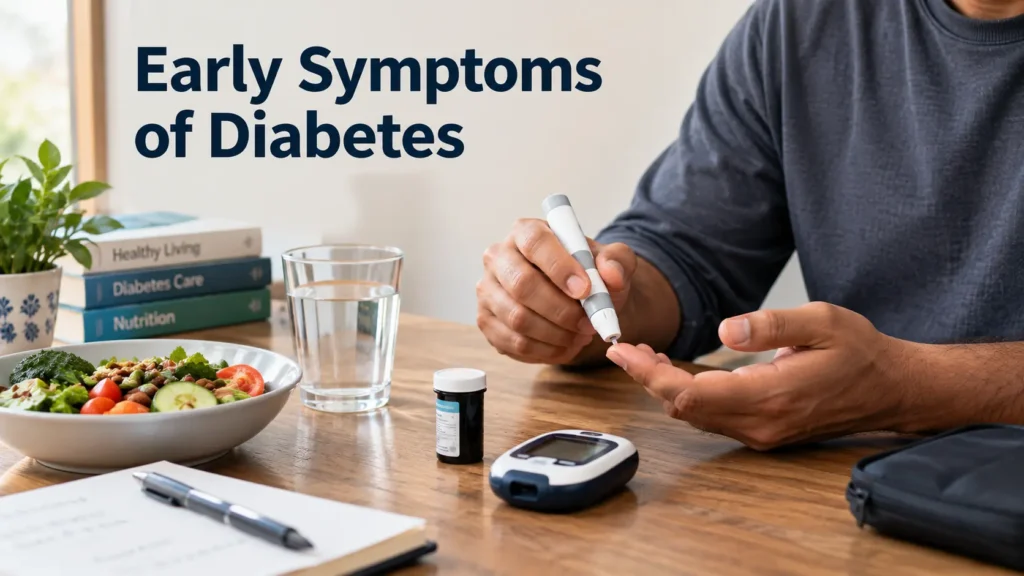
Early warning signs of type 2 diabetes in Indians over 40 shown through blood sugar testing

Key Takeaways

Type 2 diabetes often develops quietly, especially after 40. Most Indians mistake its early signs for stress, aging, or simply a busy life. The ICMR-INDIAB study, published in The Lancet Diabetes & Endocrinology in 2023, found that 11.4% of Indian adults already have diabetes and another 15.3% are at the prediabetes stage. The warning signs are there—a simple blood sugar test can catch them early, before the damage quietly begins.

Introduction

Suresh is 46 and works in a private company in Hyderabad. Over the last few months, he has noticed a few changes. He wakes up at night more often to use the bathroom, feels tired during the day, and sometimes struggles with blurred vision after meals. Like many people, he assumed it was because of stress, age, or a busy work schedule.

A routine health check later revealed something unexpected: his blood sugar was high.

He is not alone. Across India, millions are living with type 2 diabetes without knowing it—and many, like Suresh, only find out by chance. Because type 2 diabetes often develops slowly, the early signs can be easy to miss.

If you are over 40, understanding the early warning signs of type 2 diabetes can help you take action before serious complications develop.

Quick Answer

The most common early signs of type 2 diabetes include frequent urination, feeling unusually thirsty, constant tiredness, blurred vision, slow-healing cuts, recurring infections, and dark patches of skin around the neck or underarms.

In many Indians over 40, these symptoms can appear even when body weight seems normal, which is why they are often overlooked. Recognizing the early warning signs of type 2 diabetes and getting a fasting blood sugar or HbA1c test can help detect the condition early.

What You Will Learn

• What type 2 diabetes is and why it is common in Indians over 40
• The most common early warning signs to watch for
• Silent symptoms that are often overlooked
• Why Indians develop diabetes at a younger age and lower body weight
• The main causes and risk factors behind type 2 diabetes
• How high blood sugar affects different organs in the body
• The tests used to diagnose type 2 diabetes
• Treatment options, including medicines and lifestyle changes
• Simple diet and prevention tips to lower your risk
• When to see a doctor and how to avoid serious complications

What Is Type 2 Diabetes?

Type 2 diabetes is a long-term condition that affects how your body uses sugar (glucose), its main source of energy. Normally, a hormone called insulin, produced by the pancreas, helps move sugar from the bloodstream into the body’s cells. In people with type 2 diabetes, the body either does not use insulin properly or does not make enough of it. As a result, sugar builds up in the blood and can gradually damage organs and blood vessels.

Unlike type 1 diabetes, which usually begins in childhood and is caused by an autoimmune problem, type 2 diabetes develops slowly over time. It is closely linked to family history, lifestyle habits, excess abdominal fat, and aging. According to Harrison’s Principles of Internal Medicine, more than 90% of diabetes cases worldwide are type 2 diabetes.

Why Early Detection Matters

One of the biggest challenges with type 2 diabetes is that it often develops quietly. Many people do not notice any clear symptoms in the beginning, while high blood sugar slowly starts affecting the blood vessels, nerves, eyes, kidneys, and heart.

This is why early detection is so important. A simple blood sugar test can identify the condition before serious complications develop. Health organizations such as the ICMR and the American Diabetes Association recommend regular diabetes screening for adults over 35, especially those with a family history of diabetes, excess abdominal weight, or high blood pressure. Finding diabetes early can make treatment easier and help protect long-term health.

Global Importance and Epidemiology

Type 2 diabetes is becoming a major health problem across the world. According to the World Health Organization (WHO), hundreds of millions of people are living with diabetes, and the numbers continue to rise every year. India is one of the countries most affected by this growing epidemic.

The ICMR-INDIAB study reported that more than 100 million Indians have diabetes, while millions more are living with prediabetes (blood sugar levels higher than normal but not yet in the diabetic range).

Researchers have found that Indians often develop type 2 diabetes at a younger age and lower body weight than many Western populations. Experts from the Madras Diabetes Research Foundation describe this as the “Asian Indian Phenotype,” which is linked to higher abdominal fat and increased insulin resistance. Because of these unique risk factors, Indians over 40 should pay close attention to the early warning signs of type 2 diabetes and consider regular screening even if they feel healthy

Early Warning Signs of Type 2 Diabetes in Indians Over 40

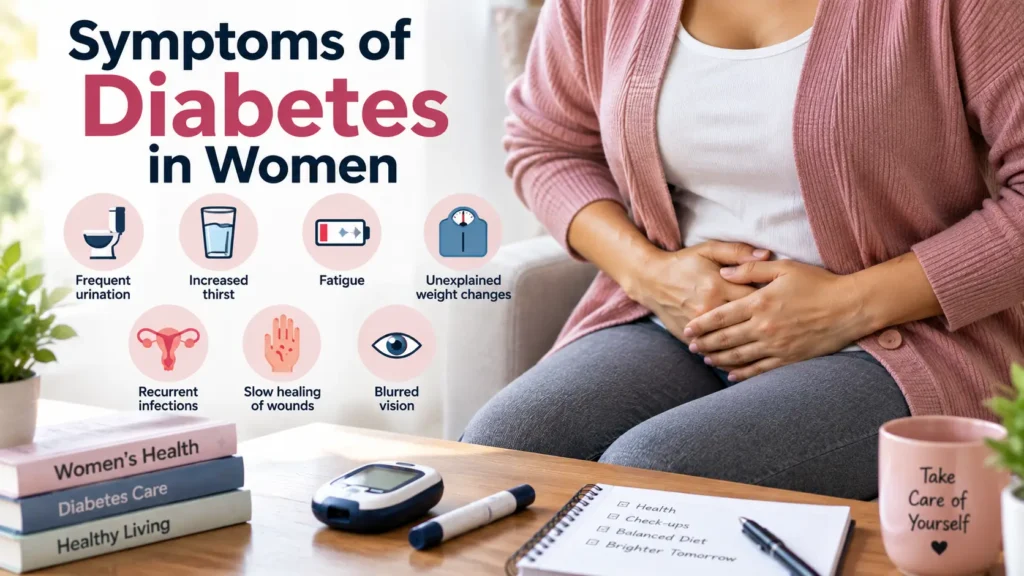
Common early warning signs of type 2 diabetes including thirst, fatigue and blurred vision

The early signs of type 2 diabetes are often easy to miss. Many people assume these changes are simply part of getting older, dealing with stress, or having a busy lifestyle. However, recognizing these warning signs early can help prevent serious health problems in the future.

Frequent Urination:

Needing to urinate more often than usual, especially at night, is one of the earliest signs of type 2 diabetes. High blood sugar causes the kidneys to work harder, leading to increased urine production.

Excessive Thirst:

Frequent urination can cause the body to lose extra fluids, making you feel thirsty more often than normal, even if you are drinking enough water.

Unexplained Fatigue:

Feeling tired occasionally is normal. However, ongoing fatigue that does not improve with rest may be a sign that the body is struggling to use sugar properly for energy.

Dark Skin Patches:

Dark, thick, velvety patches of skin around the neck, underarms, or groin, medically known as acanthosis nigricans, may be a sign of insulin resistance. This skin change is commonly linked to type 2 diabetes.

Slow-Healing Wounds:

Cuts, scratches, or wounds that take longer than usual to heal should not be ignored. High blood sugar can affect circulation and slow the body’s natural healing process.

Blurred Vision:

Changes in blood sugar levels can temporarily affect the eyes, causing blurred or unclear vision. Many people mistake this for a normal age-related vision problem.

Recurring Infections:

Frequent skin infections, urinary tract infections, or fungal infections may occur when high blood sugar weakens the body’s ability to fight germs.

Increased Hunger:

Some people feel hungry again soon after eating. This happens because the body’s cells are unable to use glucose effectively for energy.

Tingling or Numbness in the Hands and Feet:

A tingling, burning, or numb sensation in the hands or feet may be an early sign of nerve damage caused by high blood sugar.

Unexplained Weight Changes:

Unexpected weight gain or weight loss without major changes in diet or physical activity can sometimes be linked to developing type 2 diabetes.

If you notice one or more of these symptoms, especially after the age of 40, consider speaking with your doctor and getting a blood sugar test. Early diagnosis can make treatment easier and help prevent long-term complications.

Silent Symptoms Often Missed in Indians Over 40

While some diabetes symptoms are noticeable, others are so subtle that most people dismiss them entirely—sometimes for years. In many cases, type 2 diabetes develops quietly in the background long before it is ever diagnosed.

Tingling or Numbness in the Hands and Feet A mild tingling or numb feeling in the hands or feet may be one of the earliest signs of nerve damage caused by high blood sugar. Because it often comes and goes, many people ignore it or assume it is related to age or poor circulation.

Increased Hunger Some people continue to feel hungry even after eating regular meals. This happens when the body’s cells are unable to use glucose properly for energy.

Unexplained Weight Loss Even when appetite remains normal, the body may start breaking down fat and muscle for fuel when it cannot use sugar effectively.

These symptoms may seem minor on their own, but they should not be ignored—especially in adults over 40 who already have other diabetes risk factors.

Causes of Type 2 Diabetes

Type 2 diabetes does not develop from a single cause. In most cases, it results from a combination of genetic factors, lifestyle habits, and changes in the body’s ability to use insulin effectively. Over time, blood sugar levels begin to rise, increasing the risk of diabetes.

Insulin Resistance In many Indians over 40, the condition starts when the body’s cells stop responding properly to insulin. The pancreas tries to compensate by producing more insulin, but eventually it can no longer keep up.

Family History Having a parent or sibling with type 2 diabetes increases the risk of developing the condition.

Excess Abdominal Fat Belly fat is closely linked to insulin resistance and is one of the strongest risk factors for type 2 diabetes in Indian adults.

Unhealthy Lifestyle Habits A diet high in refined carbohydrates, sugary foods, physical inactivity, and long periods of sitting can increase the risk over time.

Stress and Poor Sleep Chronic stress and inadequate sleep can affect hormone levels, making it harder for the body to control blood sugar effectively.

Research consistently shows that lifestyle factors combined with excess abdominal fat are among the leading drivers of new type 2 diabetes cases in Indian adults.

Risk Factors for Type 2 Diabetes in Indians Over 40

Risk Factor

Why It Matters

Age Over 40

Risk increases with age

Family History

Having a parent or sibling with diabetes increases your risk.

Abdominal Obesity (Belly Fat)

A waist size above 90 cm in men and 80 cm in women is linked to higher insulin resistance.

Prediabetes

People with prediabetes are much more likely to develop type 2 diabetes if no action is taken.

Physical Inactivity

A sedentary lifestyle makes it harder for the body to use insulin effectively.

High-Carbohydrate Diet

Frequent consumption of refined grains, sugary foods, and sweetened drinks can raise blood sugar levels over time.

High Blood Pressure

Hypertension (high blood pressure) is commonly associated with insulin resistance and diabetes.

Stress and Poor Sleep

Both can affect hormone balance and make blood sugar control more difficult.

PCOS (Women)

PCOS is linked to insulin resistance and increases the risk of developing type 2 diabetes.

Smoking

Smoking increases inflammation and may worsen insulin resistance.

How Type 2 Diabetes Develops in the Body

In a healthy person, insulin helps move sugar from the bloodstream into the body’s cells, where it is used for energy. In type 2 diabetes, this process gradually becomes less effective, causing blood sugar levels to rise over time.

Insulin Resistance: The condition usually begins when the body’s cells stop responding properly to insulin. To compensate, the pancreas produces more insulin. Over time, however, the pancreas struggles to keep up, and blood sugar levels start increasing.

Why Indians Are at Higher Risk: Research shows that many Indians carry more visceral fat (fat around internal organs) even at a normal body weight. This hidden fat increases insulin resistance and may explain why type 2 diabetes often develops earlier in Indians than in many Western populations.

Type 2 Diabetes vs Prediabetes: Key Differences

Feature

Prediabetes

Type 2 Diabetes

Blood Sugar Level

Higher than normal but not diabetic

Consistently high and in the diabetic range

Fasting Blood Sugar

100–125 mg/dL

126 mg/dL or higher

HbA1c Level

5.7%–6.4%

6.5% or higher

Symptoms

Usually no noticeable symptoms

Symptoms may develop gradually

Organ Damage Risk

Low but increasing

May affect eyes, kidneys, nerves, and heart

Can It Be Reversed?

Often reversible with lifestyle changes

Remission possible in some cases

Treatment Approach

Healthy diet, exercise, weight management

Lifestyle changes plus medication

Risk of Future Diabetes

High if no action is taken

Diabetes already present

Conditions That May Look Like Type 2 Diabetes

Some medical conditions can cause similar symptoms or affect blood sugar levels. A proper medical evaluation helps confirm the correct diagnosis.

Hypothyroidism causes fatigue, weight gain, and low energy, which can easily be mistaken for diabetes symptoms. The difference is that hypothyroidism comes from an underactive thyroid gland, not from high blood sugar.

Women with Polycystic Ovary Syndrome (PCOS) often develop insulin resistance and mildly elevated blood sugar. PCOS raises the risk of type 2 diabetes, but having PCOS does not mean a woman already has diabetes.

Long-term use of steroid medications such as prednisone can raise blood sugar and cause steroid-induced diabetes. In many cases, blood sugar improves once the doctor adjusts or stops the steroid treatment.

Condition

Similar Symptoms

Key Difference

Type 2 Diabetes

Thirst, frequent urination, fatigue

Persistently high blood sugar

Hypothyroidism

Fatigue, weight gain

Thyroid hormone deficiency

PCOS-Related Hyperglycemia

Insulin resistance, weight gain

Occurs in women with PCOS

Steroid-Induced Diabetes

High blood sugar

Triggered by steroid medications

Diagnosis

Type 2 diabetes is diagnosed using simple blood tests that measure blood sugar levels. Early testing is important because many people have diabetes for years without noticeable symptoms.

The most commonly used tests include:

Fasting Blood Sugar Test: Measures blood sugar after not eating for at least 8 hours.

Postprandial Blood Sugar Test: Measures blood sugar about two hours after a meal.

HbA1c Test: Shows the average blood sugar level over the previous two to three months and is one of the most reliable tests for diagnosing diabetes.

According to WHO and ICMR guidelines, a fasting blood sugar level of 126 mg/dL or higher, or an HbA1c of 6.5% or higher, confirms a diagnosis of type 2 diabetes.

Health experts recommend regular diabetes screening for adults over 35, especially those with a family history of diabetes, excess abdominal weight, high blood pressure, or other risk factors. The Indian Diabetes Risk Score (IDRS), developed by Dr. V. Mohan and the Madras Diabetes Research Foundation, can also help identify people who may be at higher risk.

Screening Recommendations for Indians Over 40

Regular screening is one of the best ways to detect type 2 diabetes before serious complications develop. Even if you feel healthy, experts recommend that adults over 40 have their blood sugar checked at least once a year.

You may need more frequent screening if you have:

A family history of diabetes
• Excess abdominal fat or obesity
• High blood pressure
• Prediabetes
• A history of gestational diabetes (diabetes during pregnancy)
• A physically inactive lifestyle

Simple tests such as a fasting blood sugar test and an HbA1c test can help identify diabetes at an early stage, when treatment and lifestyle changes are often most effective.

Treatment Options

Treatment for type 2 diabetes usually involves a combination of medication, healthy lifestyle habits, and regular monitoring. The main goal is to keep blood sugar levels under control and reduce the risk of long-term complications.

Medications

Metformin is often the first medication prescribed for type 2 diabetes. It helps the body use insulin more effectively and reduces the amount of sugar released by the liver. The ADA Standards of Care 2025 and ICMR guidelines both recommend metformin as the preferred first-line medication for most adults with type 2 diabetes. Some people may experience mild nausea or stomach discomfort when starting the medication, but these side effects usually improve over time.

If blood sugar levels remain high, doctors may recommend additional medications. In some cases, insulin therapy may be needed to help keep blood sugar under control. The choice of treatment depends on a person’s blood sugar levels, overall health, and risk of complications.

Lifestyle Changes

Healthy lifestyle habits are an important part of diabetes management. Regular physical activity helps improve insulin sensitivity and allows the body to use glucose more effectively. Even a brisk 30-minute walk on most days of the week can make a noticeable difference.

Maintaining a healthy weight, managing stress, and getting enough sleep are equally important. Activities such as yoga, meditation, and breathing exercises may help reduce stress-related increases in blood sugar levels.

Diet Recommendations

A balanced diet plays a key role in controlling blood sugar. People with diabetes or prediabetes should focus on whole grains, vegetables, fruits, lentils, and healthy sources of protein. Whole grains such as brown rice, whole wheat, jowar, and bajra are generally better choices than refined grains.

Reducing sugary drinks, packaged snacks, sweets, and highly processed foods can help prevent sudden blood sugar spikes. Eating regular meals and controlling portion sizes may also improve blood sugar control and support long-term health.

Regular Monitoring

Regular blood sugar checks help track how well treatment is working. Many people also benefit from periodic HbA1c tests, which show average blood sugar levels over the previous two to three months.

Follow-up appointments with a healthcare professional are important because treatment plans may need to be adjusted over time. Monitoring blood sugar consistently can help prevent complications and improve long-term outcomes.

Prevention Tips

Lifestyle risk factors linked to type 2 diabetes including obesity, smoking, stress and poor sleep

Type 2 diabetes can often be prevented or delayed, especially when it is identified at the prediabetes stage. Small lifestyle changes made today can significantly reduce the risk of developing diabetes in the future.

Maintain a Healthy Weight Keeping excess body fat, especially around the waist, under control helps improve insulin sensitivity.

Stay Physically Active Aim for at least 30 minutes of moderate exercise, such as brisk walking, on most days of the week.

Get Enough Sleep Poor sleep can affect blood sugar regulation and increase the risk of insulin resistance.

Manage Stress Long-term stress can raise blood sugar levels. Activities such as yoga, meditation, and deep breathing exercises may help.

Avoid Smoking and Limit Alcohol Both can increase the risk of diabetes and other serious health problems.

Research from the Diabetes Prevention Program (DPP), published in the New England Journal of Medicine in 2002, found that lifestyle changes alone reduced the risk of progressing from prediabetes to type 2 diabetes by about 58% over three years.

Complications of Untreated Type 2 Diabetes

If type 2 diabetes remains uncontrolled for many years, it can gradually damage blood vessels, nerves, and important organs throughout the body. This is why early diagnosis and proper treatment are so important.

Kidney Damage: High blood sugar can damage the kidneys over time, increasing the risk of chronic kidney disease and kidney failure.

Eye Problems: Diabetes can affect the small blood vessels in the eyes, leading to diabetic retinopathy, vision problems, and in severe cases, blindness.

Nerve Damage: Persistently high blood sugar may damage nerves, causing tingling, numbness, burning sensations, or pain, especially in the feet and legs.

Heart Disease: People with type 2 diabetes have a higher risk of heart-related conditions, including chest pain, heart attack, and heart failure. Because diabetes and heart disease are closely connected, doctors often recommend regular heart check-ups for people with diabetes, especially those with additional risk factors such as high blood pressure or high cholesterol.

People who have had diabetes for several years may need regular heart check-ups. Depending on their symptoms, doctors may recommend tests such as an ECG Test or a 2D Echo to evaluate heart health and detect complications early.

Stroke: Poorly controlled diabetes increases the risk of stroke by damaging blood vessels and contributing to plaque buildup in the arteries.

Foot Problems: Reduced blood flow and nerve damage can increase the risk of foot ulcers, infections, and in severe cases, amputation.

Prognosis

With early diagnosis and proper management, most people with type 2 diabetes can live long, healthy, and active lives. Healthy eating, regular exercise, and consistent blood sugar control can significantly reduce the risk of complications.

Some people diagnosed in the early stages may even achieve diabetes remission through substantial weight loss and lifestyle changes. People who recognize the early warning signs of type 2 diabetes and seek treatment early often have better long-term health outcomes. The key is early action and long-term consistency.

When To See a Doctor

Book an appointment with your doctor if you notice any of the following:

• Frequent urination, especially at night
• Persistent or unusual thirst
• Unexplained fatigue or low energy levels
• Slow-healing cuts or wounds
• Recurring skin, urinary, or fungal infections
• Blurred vision
• Dark patches of skin around the neck or underarms

You should also consider diabetes screening if you are over 40 and have:

• A family history of diabetes
• Excess abdominal fat or obesity
• High blood pressure
• Prediabetes
• A physically inactive lifestyle

A simple fasting blood sugar test and HbA1c test can help detect diabetes early and reduce the risk of future complications.

Emergency Warning Signs

Seek immediate medical attention if you experience any of the following:

Sudden confusion or difficulty speaking
• Severe weakness or loss of consciousness
• Rapid or difficulty breathing
• Fruity-smelling breath
• Severe chest pain or pressure
• Sudden numbness or weakness on one side of the body
• A very high blood sugar reading along with severe symptoms such as vomiting, dehydration, or confusion

If you or someone around you experiences any of these symptoms, do not wait. Call emergency services or go to the nearest hospital immediately.

Frequently Asked Questions (FAQs)

Q1. What are the first signs of type 2 diabetes in Indians over 40?

The earliest signs are frequent urination at night, excessive thirst, and unexplained tiredness that does not improve with rest. Dark patches on the neck or underarms and slow-healing wounds are also early indicators commonly seen in Indians.

Q2. Can a normal-weight Indian over 40 get type 2 diabetes?

Yes. Because of the Asian Indian Phenotype, Indians can develop type 2 diabetes even at a normal BMI. Hidden visceral fat around internal organs, which is not visible externally, drives insulin resistance in otherwise lean individuals.

Q3. What is the HbA1c level that confirms type 2 diabetes?

An HbA1c of 6.5% or above confirms a diagnosis of type 2 diabetes. A level between 5.7% and 6.4% indicates prediabetes and requires immediate lifestyle intervention.

Q4. What is the difference between type 1 and type 2 diabetes?

Type 1 diabetes is an autoimmune condition where the body destroys its own insulin-producing cells. It usually starts in childhood and always requires insulin. Type 2 diabetes develops gradually in adults due to insulin resistance and lifestyle factors and can often be managed with oral medication and lifestyle changes.

Q5. Is type 2 diabetes reversible in Indians?

Full remission is possible in the early stages, particularly with significant weight loss, regular exercise, and dietary changes. However, reversal requires sustained effort and medical supervision. Most people manage the condition long-term rather than achieving a complete cure.

Q6. Which foods should Indians over 40 avoid to prevent diabetes?

White rice in large portions, maida-based foods like bread and biscuits, sugary drinks including packaged juices and sweetened chai, fried snacks, and ultra-processed foods should be reduced significantly. Replacing refined grains with whole grains and increasing fiber intake makes a measurable difference.

Q7. How often should Indians over 40 get screened for diabetes?

The ICMR recommends annual screening for all Indians over 35. Those with risk factors like family history, abdominal obesity, high blood pressure, or PCOS should be screened more frequently, even without symptoms.

Q8. Does stress cause type 2 diabetes?

Chronic stress raises cortisol levels, which in turn raises blood sugar and increases insulin resistance over time. While stress alone does not cause diabetes, it significantly accelerates the process in people who are already at risk.

Q9. Can type 2 diabetes affect the heart in Indians?

Yes, and the risk is particularly high. Indians with type 2 diabetes have a significantly elevated risk of coronary artery disease, heart attack, and stroke compared to other populations. Regular heart check-ups are strongly recommended for diabetic patients with additional risk factors such as high blood pressure or high cholesterol.

Q10. What is the safest first medication for type 2 diabetes in India?

Metformin is the first-line medication recommended by both ICMR guidelines and the ADA Standards of Care 2025. It is safe, affordable, well-studied, and widely available across India. It is usually started at a low dose and gradually increased under medical supervision.

References & Sources:

1. Anjana RM, et al. *Metabolic Non-Communicable Disease Health Report of India: The ICMR-INDIAB National Cross-Sectional Study (ICMR-INDIAB-17).* Lancet Diabetes & Endocrinology. 2023;11:474–489.


2. World Health Organization (WHO). *Diabetes Fact Sheet.* November 2024.


3. International Diabetes Federation (IDF). *IDF Diabetes Atlas: Global Data and Statistics.* 2024.


4. Unnikrishnan R, Anjana RM, Mohan V. *Diabetes in South Asians: Is the Phenotype Different?* Diabetes. 2014;63(1):53–55.


5. Mohan V. *Lessons Learned From Epidemiology of Type 2 Diabetes in South Asians: Kelly West Award Lecture 2024.* Diabetes Care. 2025;48(2):153–163.


6. American Diabetes Association (ADA). *Standards of Care in Diabetes – 2025.* Diabetes Care. 2025;48(Suppl. 1).


7. Knowler WC, et al. *Reduction in the Incidence of Type 2 Diabetes With Lifestyle Intervention or Metformin.* New England Journal of Medicine. 2002;346(6):393–403.


8. Indulekha K, Anjana RM, Surendar J, Mohan V. *Association of Visceral and Subcutaneous Fat With Glucose Intolerance and Insulin Resistance in Asian Indians (CURES-113).* Clinical Biochemistry. 2011;44(4):281–287.


9. Anjana M, Sandeep S, Deepa R, Mohan V. *Visceral and Central Abdominal Fat and Anthropometry in Relation to Diabetes in Asian Indians.* Diabetes Care. 2004;27(12):2948–2953.


10. Mohan V, et al. *Epidemiology of Type 2 Diabetes: Indian Scenario.* Indian Journal of Medical Research. 2007;125(3):217–230.


11. *Harrison’s Principles of Internal Medicine*, 21st Edition. McGraw-Hill Education.


12. Pan American Health Organization (PAHO/WHO). *Urgent Action Needed as Global Diabetes Cases Increase Four-Fold Over Past Decades.* World Diabetes Day Report. November 2024.


Medical Disclaimer

This article is written for informational and educational purposes only. It is not a substitute for professional medical advice, diagnosis, or treatment. Always consult a qualified doctor or healthcare provider before making any decisions about your health. If you believe you are experiencing symptoms of type 2 diabetes or any medical emergency, seek immediate medical attention.

Medically Reviewed by

Dr. Praveen Verma, MBBS, MD

Dr. Himanshu Morya, MBBS

Written by

Iraphan Khan, BSN, D.Pharm, CMLT
Healthcare Content Researcher & Founder, RealMedVision

Scroll to Top